

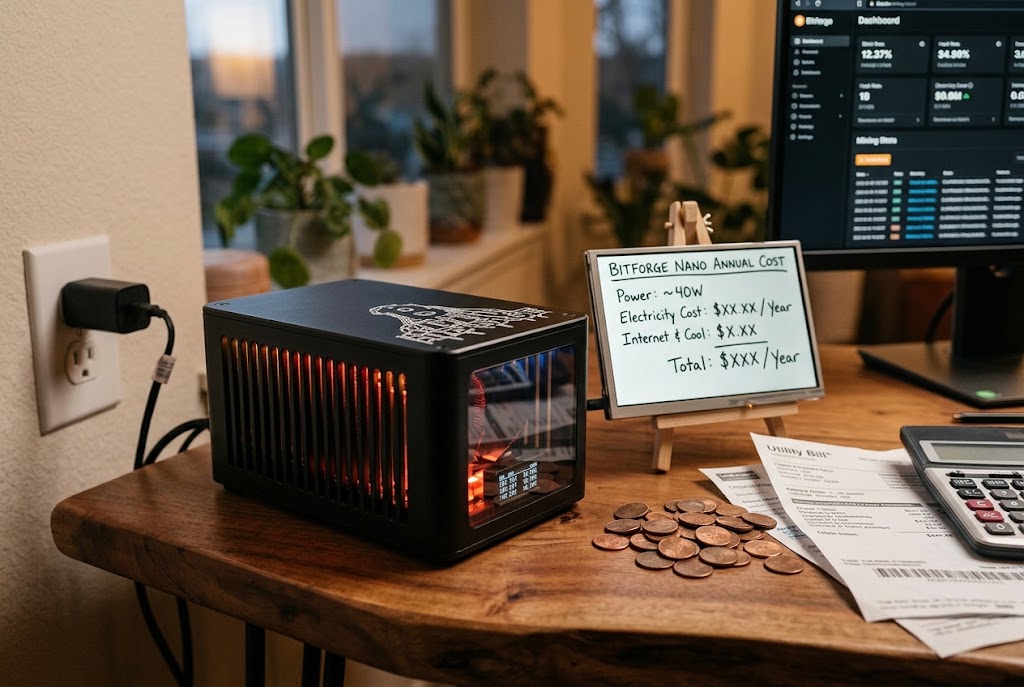
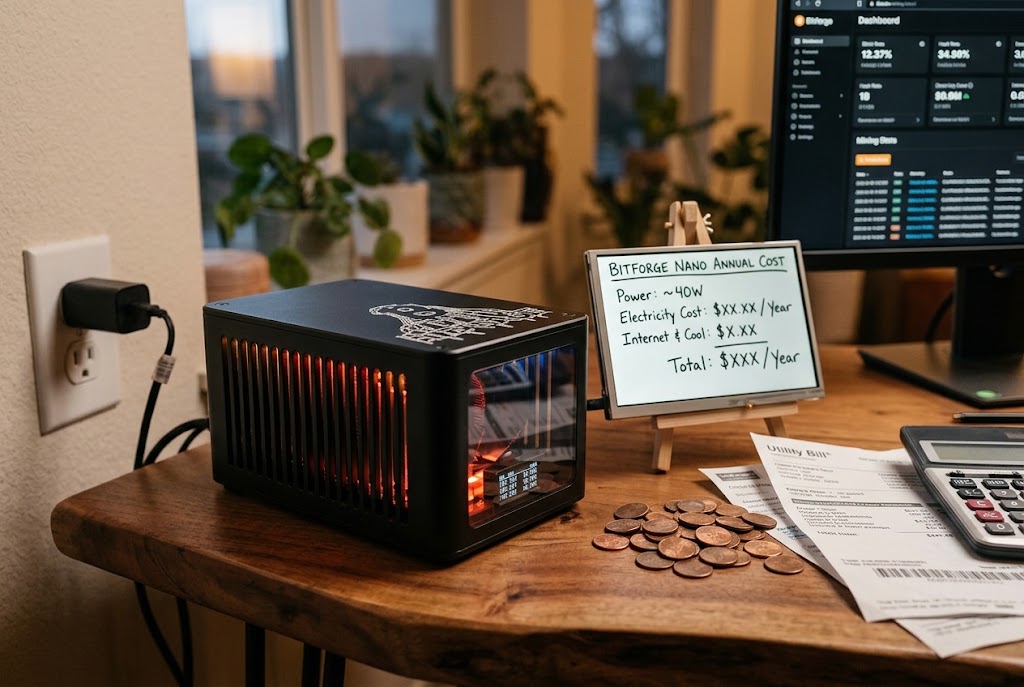
A home Bitcoin miner is not just a product you buy once. It is a small machine you choose to run every day. The real cost is therefore not only the miner’s purchase price. It also includes electricity, the power supply, heat, noise, space, and the expectations you bring to it.
If you treat a small home miner as a guaranteed income machine, the numbers will probably disappoint you. If you treat it as open-source Bitcoin hardware that you can run, inspect, learn from, and connect to a solo-mining pool for lottery-style upside, the calculation becomes much more useful.
Here is how to estimate the yearly cost before plugging one in.
The basic electricity formula
A device drawing 20 watts continuously uses approximately 175.2 kWh per year. At an electricity price of $0.25 per kWh, that costs approximately $43.80 per year.
The formula is:
Watts × 24 hours × 365 days ÷ 1,000 = yearly kWh
Then:
Yearly kWh × your electricity price per kWh = yearly electricity cost
For a 20-watt device:
- 20 × 24 × 365 ÷ 1,000 = 175.2 kWh per year
- 175.2 × $0.25 = $43.80 per year
Use the miner’s actual wall-power measurement whenever possible. Specifications and firmware dashboards are useful, but the number that affects your bill is the power measured at the wall.
Quick yearly electricity examples
| Continuous power | Energy per year | At $0.15/kWh | At $0.25/kWh | At $0.35/kWh |
|---|---|---|---|---|
| 10W | 87.6 kWh | $13.14 | $21.90 | $30.66 |
| 15W | 131.4 kWh | $19.71 | $32.85 | $45.99 |
| 20W | 175.2 kWh | $26.28 | $43.80 | $61.32 |
| 25W | 219.0 kWh | $32.85 | $54.75 | $76.65 |
| 40W | 350.4 kWh | $52.56 | $87.60 | $122.64 |
| 60W | 525.6 kWh | $78.84 | $131.40 | $183.96 |
| 100W | 876.0 kWh | $131.40 | $219.00 | $306.60 |
Electricity prices vary by country, region, supplier, and plan. The useful habit is to calculate in kilowatt-hours rather than relying on vague estimates.
Cost 1: the miner
The first expense is the hardware itself.
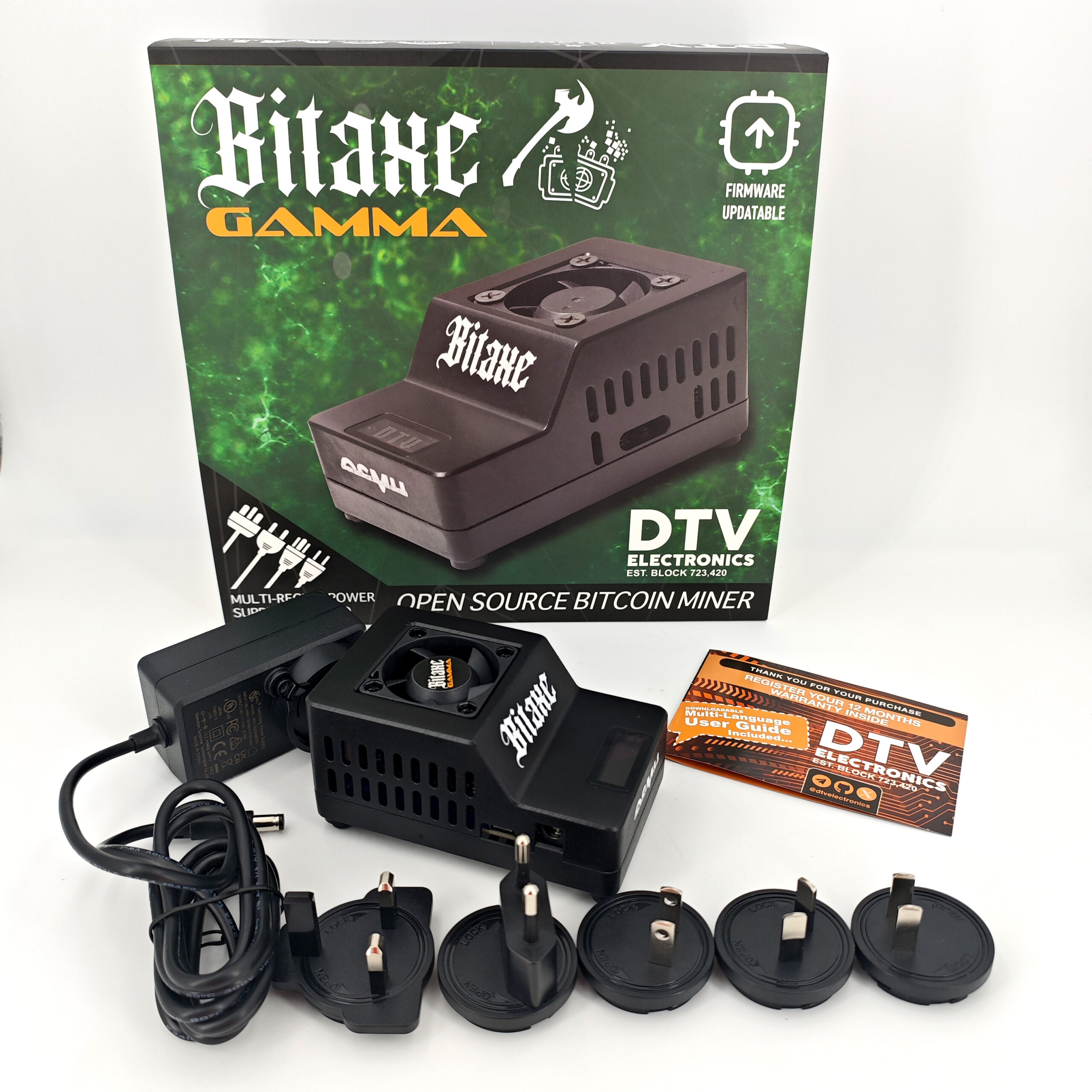
DTV Electronics offers different classes of open-source home miners:
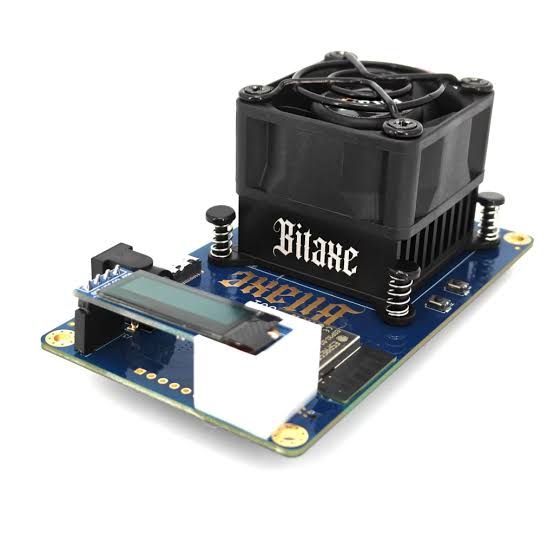
- Bitaxe Gamma provides an accessible way to learn how open-source Bitcoin mining hardware works.
- BitForge Nano is a compact dual-BM1370 solo miner rated at 2.6 TH/s, designed for users wanting more hashrate in one small device.
Do not compare miners solely by purchase price. Consider the complete setup: power consumption, airflow, location, noise, and what you want to accomplish.
Cost 2: electricity
Electricity is the main recurring expense.
Mining numbers can feel abstract, but the initial calculation is simple. Do not begin with block rewards, network difficulty, or optimistic ROI screenshots. Begin with watts.
Ask four questions:
- How much power does the miner draw at the wall?
- Will it operate continuously or only at certain times?
- What is your electricity price per kWh?
- Would you accept that cost even if the miner never found a block?
The fourth question is the most important.
For many people, a small home miner’s value comes from education, participation, and the satisfaction of running real Bitcoin infrastructure. Solo mining is not a salary—it is a long-shot probability.
Cost 3: the power supply and cabling
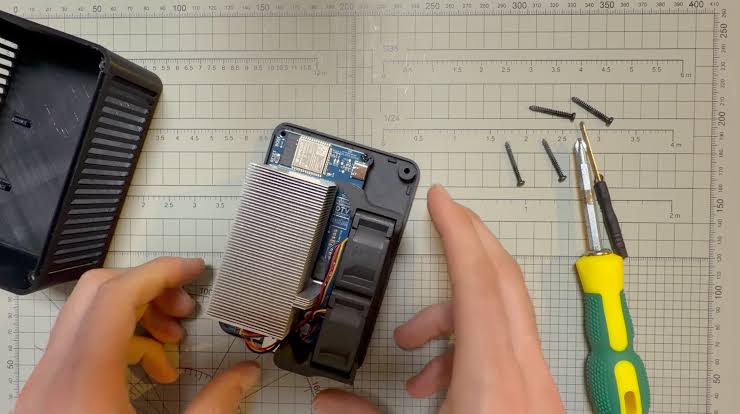
The power supply is not a place to improvise.
A small miner still requires stable power. An undersized or poor-quality power supply can become hot or unreliable. Loose or unsuitable cables can cause problems that appear to be software faults but are actually electrical issues.
Include the following in your budget:
- The supplied power adapter, if included
- A replacement or upgraded power supply if required
- Region-specific plugs or adapters
- Safe, properly sized cables
- A plug-in power meter for measuring real consumption
A basic power meter is often one of the most useful accessories. It transforms “I think this uses little electricity” into a number you can calculate accurately.
At DTV Electronics all our miners comes with a certified, multi-region, PSU. So we got you covered.
Cost 4: heat
Every watt of electricity eventually becomes heat.
A small home miner is much easier to accommodate than an industrial ASIC, but an always-on device still warms its surroundings.
That heat may be welcome during winter and inconvenient during summer. Inside a closed cabinet, it could also cause stability problems. On an open desk with adequate airflow, it may be entirely manageable.
Consider the miner’s location:
- Is there clear airflow around it?
- Is it separated from soft furnishings and clutter?
- Can you reach it without disturbing other equipment?
- Will the room remain comfortable while it operates continuously?
If the miner becomes unpleasant to live with, it probably will not remain online. Uptime is partly a technical question and partly a household one.
Cost 5: noise
Noise is subjective.
A fan that seems quiet in a workshop could become distracting in a bedroom. A device that is acceptable during the day might be too noticeable at night.
Before purchasing a miner, decide where it will actually operate:
- Desk
- Garage
- Ventilated cupboard
- Home office
- Workshop
- Network shelf
- Spare room
Then decide whether you would tolerate its sound there continuously.
Small open-source miners are popular partly because they make Bitcoin mining accessible without requiring industrial facilities. Nevertheless, “home-friendly” does not necessarily mean silent.
Cost 6: your time
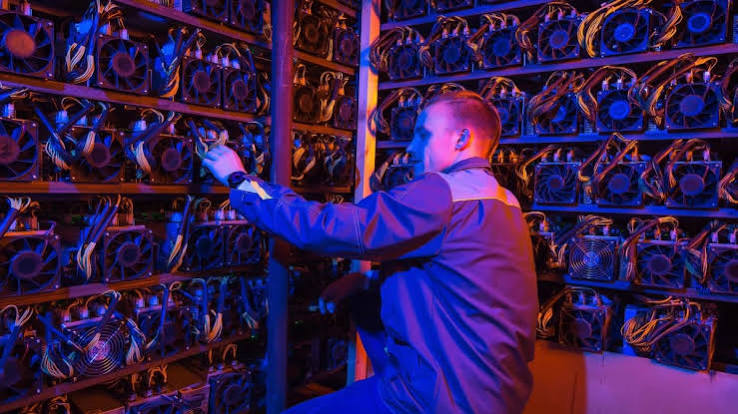
Running a miner also requires some time.
For many owners, this is part of the appeal rather than a disadvantage. A home miner can teach you:
- How mining pools work
- Difference between pooled mining and solo mining
- What hashrate means in practice
- Why network difficulty matters
- How power and heat affect hardware
- How firmware exposes miner behaviour
- Why open-source hardware matters
- How pooled and solo mining differ
If you enjoy learning and experimenting, that time contributes to the miner’s value. If you only want passive income, the same process may feel like unwanted maintenance.
Be honest about which type of buyer you are.
Avoiding unrealistic ROI expectations
Home-mining discussions often become misleading when they move too quickly to earnings.
Three mistakes are especially common:
- Assuming Bitcoin’s current price will remain unchanged
- Ignoring changes in network difficulty
- Treating solo mining as predictable income
A small miner can be an excellent educational tool. It can participate directly in Bitcoin’s proof-of-work system, provide lottery-style solo-mining possibilities, and support open-source hardware development.
It should not be treated as a guaranteed-yield product.
A practical checklist
Before purchasing a home miner, write down:
- The miner you are considering
- Its purchase price
- Expected or measured wall-power consumption
- Your electricity price per kWh
- Expected operating hours per day
- Estimated yearly energy consumption
- Estimated yearly electricity cost
- Where the miner will be placed
- Whether its noise is acceptable there
- Whether it will have adequate airflow
- Whether your goal is learning, solo-mining odds, or both
If you cannot answer the final question clearly, pause before purchasing. The correct miner depends on what you want it to do.
Example: a small, always-on miner
Imagine a miner drawing 20 watts (like an affordable Bitaxe Gamma) at the wall and operating throughout the year:
20W × 24 × 365 ÷ 1,000 = 175.2 kWh per year
At $0.25 per kWh:
175.2 × $0.25 = $43.80 per year
That is the electricity baseline. You must then add the hardware and any necessary accessories.
Now ask the essential question: would you still be satisfied with the setup if it never found a block?
If the answer is yes: because you want to learn, experiment, and operate open-source mining hardware, the purchase may make sense. If profit is the only acceptable outcome, a small home miner is probably the wrong product category.
Where DTV Electronics’ miners fit
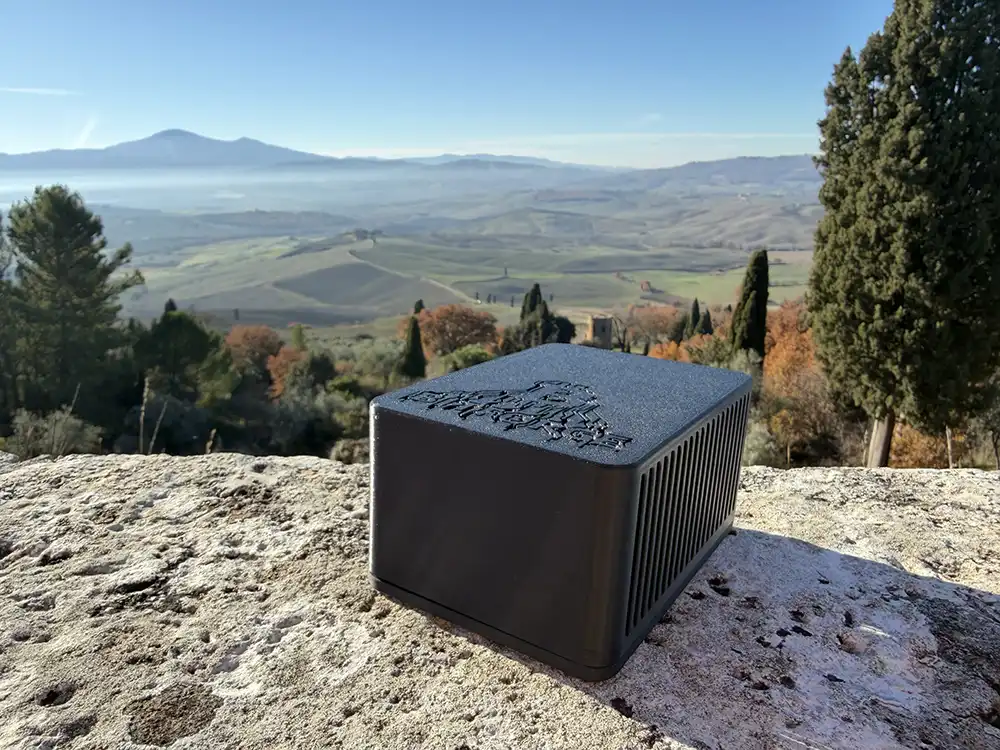
DTV Electronics focuses on open-source Bitcoin hardware for people who believe in the “Don’t Trust, Verify” principle.
You are not buying only hashrate. You are buying a small piece of inspectable infrastructure that you can operate yourself.
For many home users, that is the purpose: learning by running the equipment instead of outsourcing every part of Bitcoin to an application, exchange, or black-box service.
For an accessible route into open-source home mining, consider the Bitaxe Gamma. For a compact, higher-output solo-mining device, consider the BitForge Nano.
Whichever device you choose, calculate the power cost first.
Final thought
The best home miner is not necessarily the most powerful one.
It is the miner you will actually operate, understand, and enjoy maintaining.
Begin with watts. Convert them into yearly kilowatt-hours. Calculate the cost honestly. Then decide whether the learning experience, open-source hardware, and long-shot solo-mining possibility are worthwhile to you.
If they are, explore DTV Electronics’ open-source home-mining hardware and select the setup that suits your space, electricity budget, and reason for mining.
FAQ
How do I calculate a Bitcoin miner’s electricity cost?
Use:
Watts × operating hours per day × 365 ÷ 1,000 = yearly kWh
Then multiply the result by your electricity price per kWh.
Should I use rated power or measured wall power?
Use measured wall power whenever possible. A plug-in power meter provides a practical figure that reflects the complete setup.
Does a small home miner provide predictable income?
No. A small solo miner should not be treated as predictable income. Its financial result is probability-based and lottery-like. Its more dependable value is education, experimentation, and direct participation in Bitcoin infrastructure.
What is the largest recurring expense?
Usually electricity. The yearly expense may be modest for a low-power miner, but it depends on your tariff and how many hours the miner operates.
Does every miner require a special electrical installation?
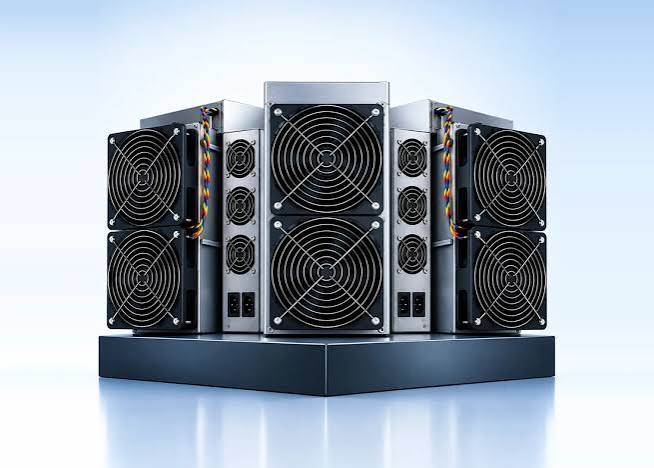
No. Small home miners are not industrial ASIC farms. However, they still require a suitable power supply, safe cabling, adequate airflow, and a location where heat and noise are acceptable.
