


The CmRat is a tiny but surprisingly capable device. At just $35 (before adding your own disk and compute module), it punches well above its weight. Self hosting, media servers, general tinkering… it does all of that. But the angle that makes it genuinely interesting for a certain crowd is Bitcoin. There are real ways to earn sats with this thing, and the setup is far less painful than you’d expect.
Let’s look at the best apps to run on your CmRat, whether you’re on UmbrelOS, StartOS, or any other Bitcoin-friendly OS.
👉 Ready to get started? Grab your CmRat from the DTV Electronics store and start earning sats today.
DATUM
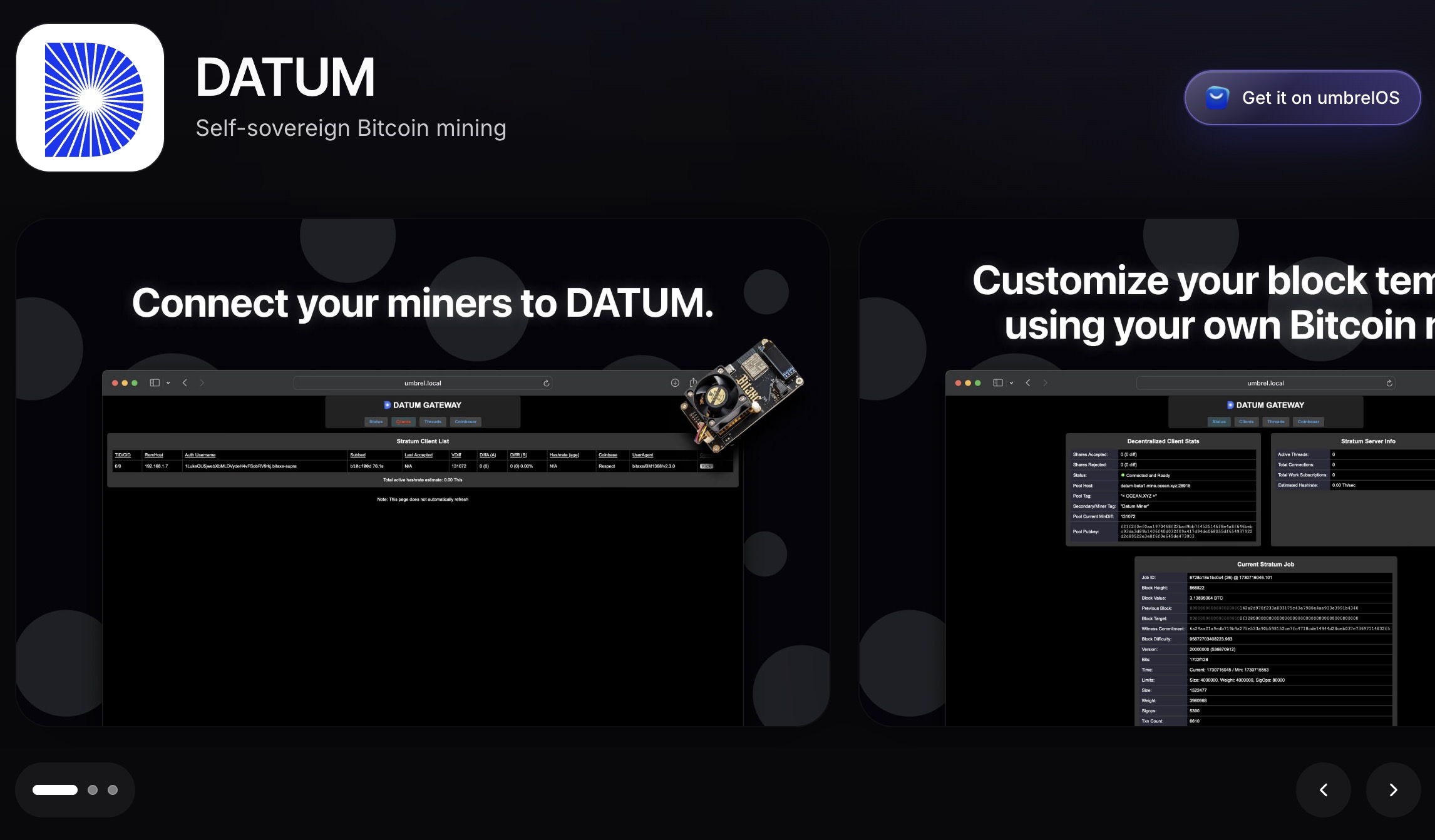
DATUM is probably the most underrated way to earn sats with a device like this. Run it on your CmRat and you basically become a tiny piece of OCEAN’s mining pool infrastructure. The reward? A 50% reduction in pool fees. That’s not nothing.
OCEAN is a non-custodial pool with a strong focus on Bitcoin decentralization, and DATUM is the protocol that allows solo miners and home operators to contribute directly to block template construction. Instead of the pool dictating what goes in a block, you do. It’s a meaningful step toward keeping mining genuinely decentralized.
You can self-host DATUM easily via UmbrelOS or StartOS on your CmRat. Both platforms make the install process straightforward, no terminal heroics required. And since the CmRat supports Raspberry Pi 4 and 5 OS images natively, plus Ubuntu, DietPi, and most Linux distributions, you have plenty of flexibility on the software side.
Lightning Node
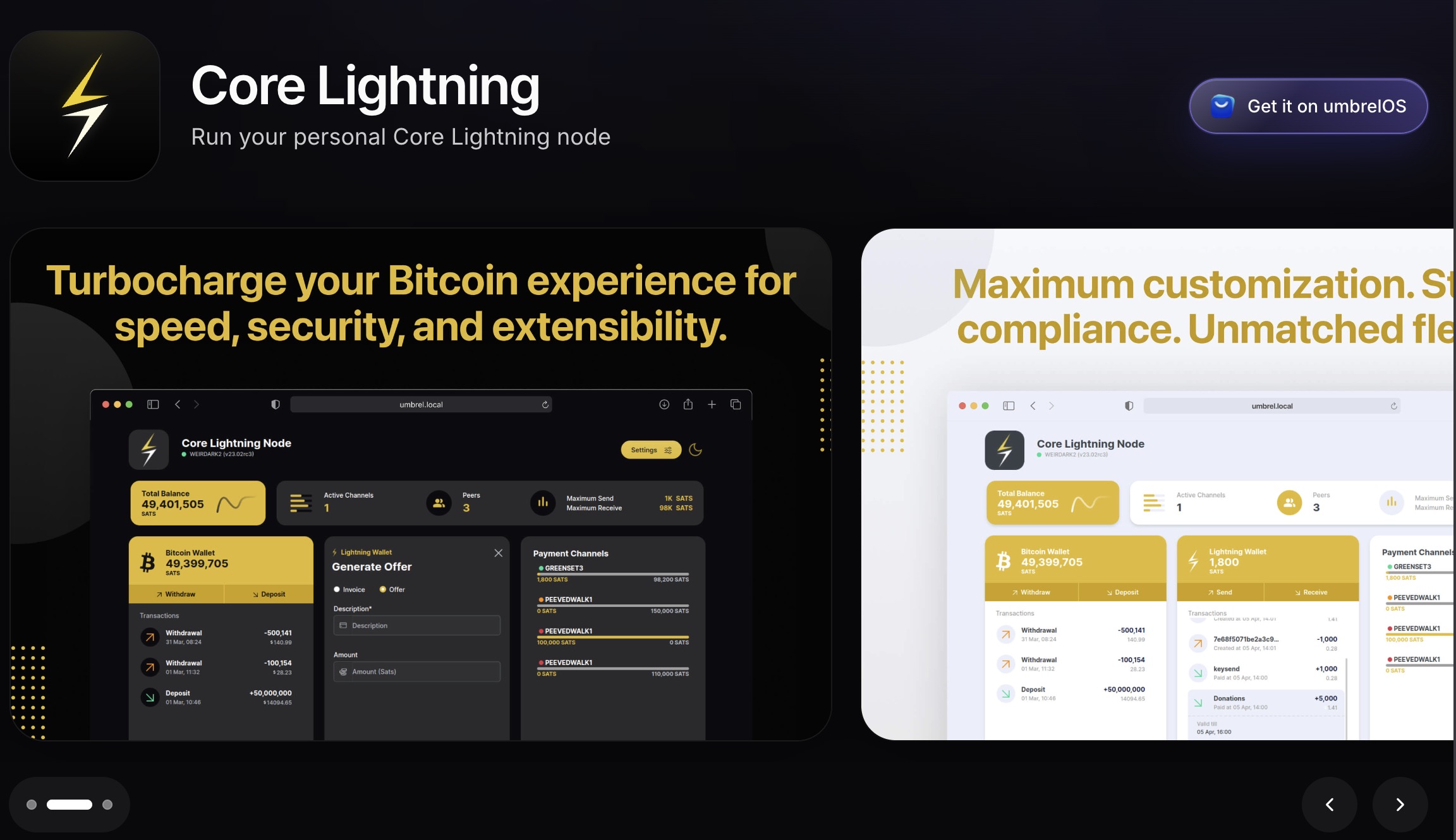
Running a Lightning Node is one of those things that starts as a sovereignty move and gradually becomes something more. Yes, you control your own payments. Yes, you can send and receive on Bitcoin’s most important second layer without relying on anyone else. But there’s also the earning side.
When you open channels with other nodes and your node sits in the middle of payment routes, you collect routing fees. It’s a slow burn, not a get-rich-quick scenario. But it’s a legitimate way to put your bitcoin to work rather than just letting it sit. Think of it as yield on parked liquidity, the kind that doesn’t require trusting a third party with your coins.
On the CmRat you can run either Core Lightning (CLN) or LND. Both are well supported. On UmbrelOS or StartOS, installing either one is a matter of a few clicks. From there you fund channels, connect to good peers, and let the node do its thing.
The CmRat is genuinely well suited for this. It runs 24/7 without breaking a sweat, draws minimal power, and doesn’t need much babysitting once it’s set up properly.
Solo Mining Pool
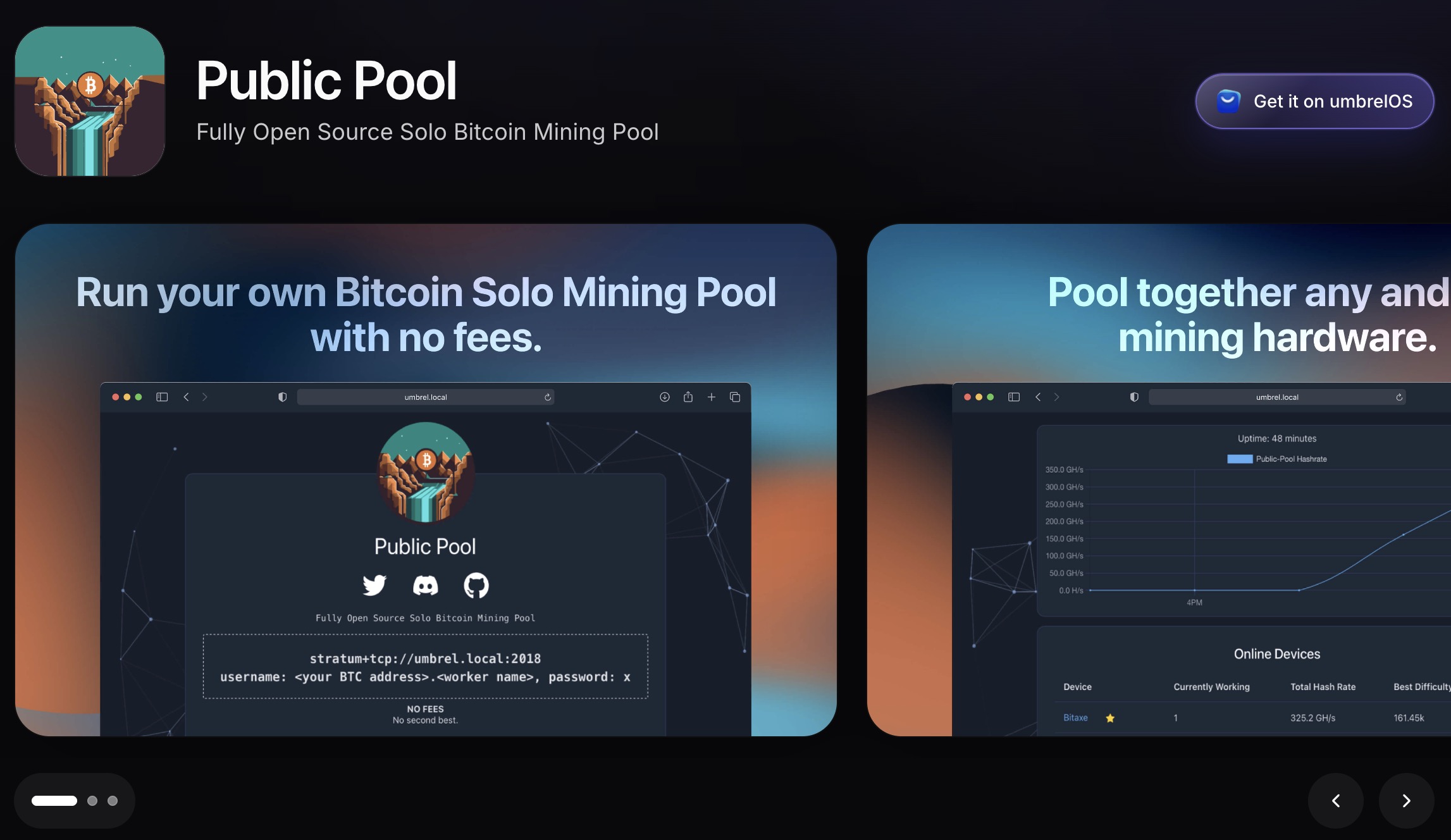
This one is for the dreamers, and there’s nothing wrong with that. You can run your own solo mining pool directly on the CmRat, pointing your home miners at it instead of a third-party pool. Software like Public Pool or CKPool Solo makes this possible, and both run comfortably on the CmRat’s hardware.
The odds of finding a block are slim, obviously. But the point isn’t just the jackpot. Running your own pool means full control over the payout address, zero fees, and no middleman sitting between your miner and the Bitcoin network. Pair it with a Bitaxe, a NerdQAxe, or a handful of USB miners and you have a completely self-sovereign mining setup for a few hundred dollars total.
It also pairs naturally with DATUM. Run your own pool template locally and submit work via DATUM to OCEAN for the fee discount. Best of both worlds.
BTCPay Server
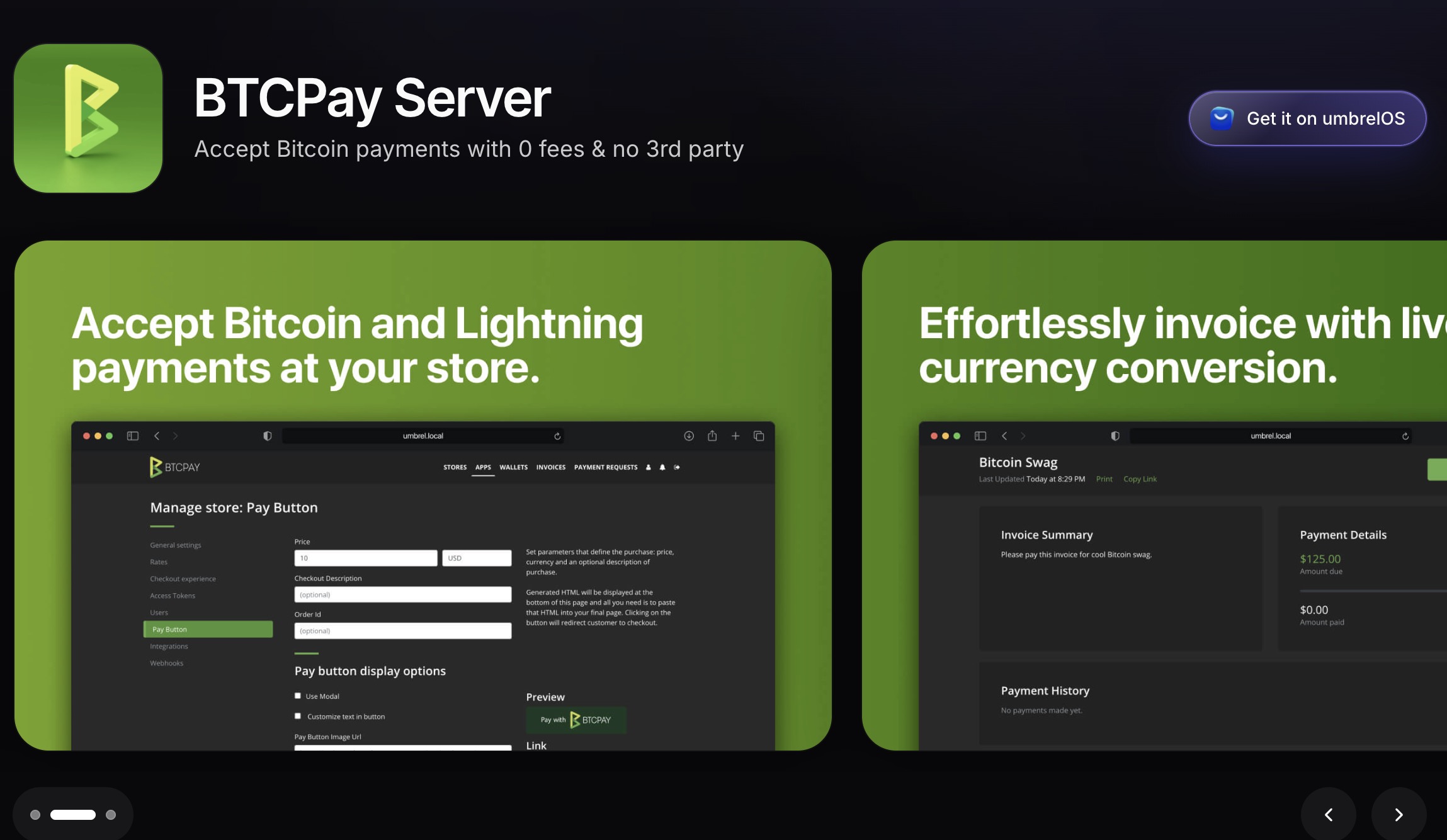
If you run any kind of business, sell anything online, or just want to accept Bitcoin payments without a processor taking a cut, BTCPay Server is the answer. And yes, it runs on the CmRat.
BTCPay is a self-hosted payment processor. No fees, no KYC, no third party involved. You connect it to your Bitcoin node and optionally to your Lightning Node, and you’re accepting payments directly to your own wallet. For merchants this is huge. For freelancers or content creators it’s equally useful.
It’s not passive income in the traditional sense, but it eliminates the friction and cost of accepting Bitcoin. Every sat you receive goes straight to you, not 1-3% to a payment processor.
Nostr Relay
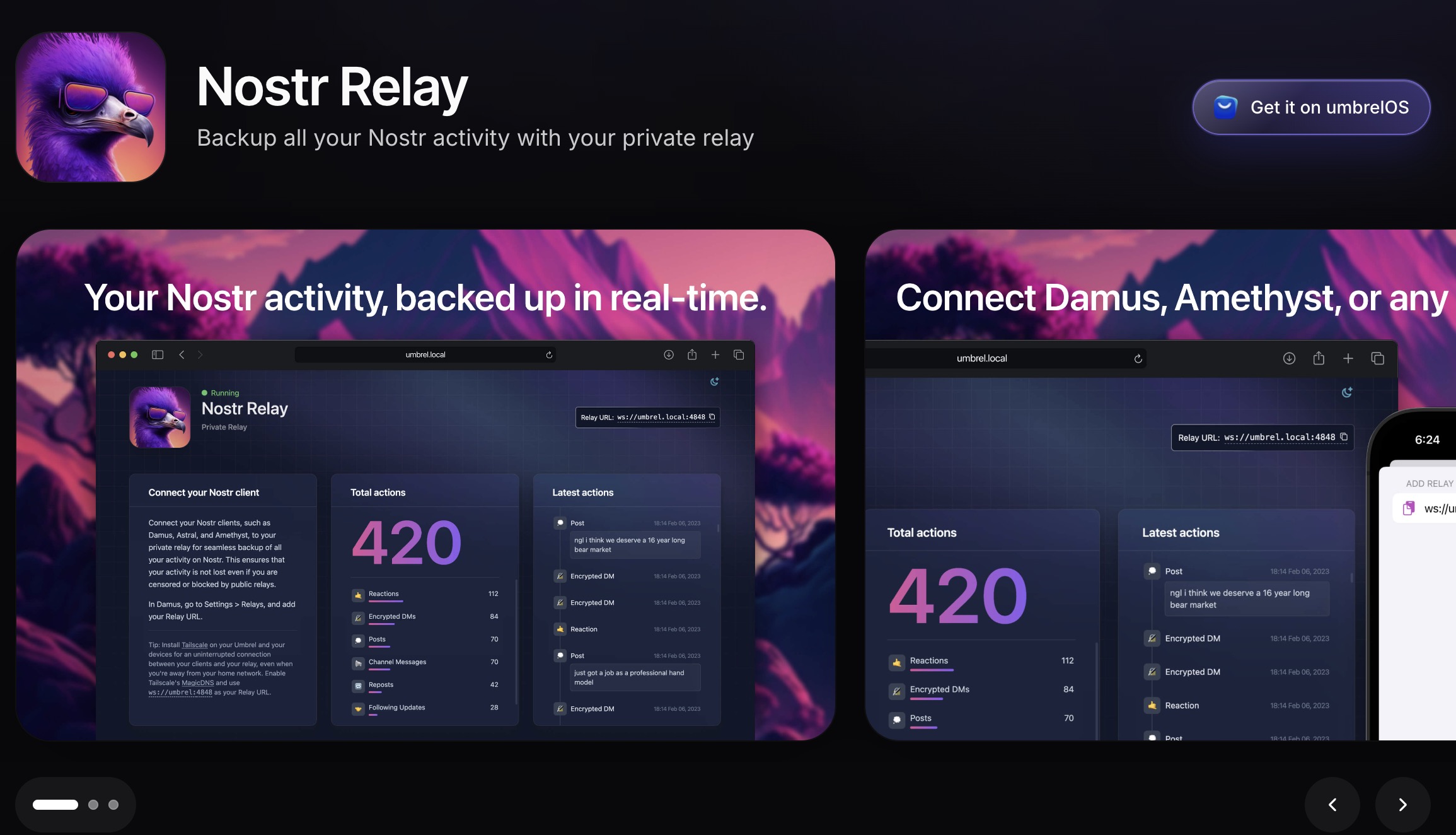
Nostr is Bitcoin’s favorite social protocol, and running a paid relay is a small but real way to earn sats. The idea is simple: you run a relay, charge a small Lightning invoice for access, and collect micropayments from users who want to publish their notes through your infrastructure.
It’s not going to replace your day job. But it’s interesting because it combines two things the CmRat already does well, running a Lightning Node and being always-on and low power. Software like Nostr RS Relay or strfry can be installed on the CmRat, and with a bit of configuration you’re in business.
The earning potential here scales with how well-connected your relay is and whether you build an audience around it. Think of it as a long game.
Lightning Service Provider Setup
A more advanced option for people who want to go deeper into Lightning. Running a Lightning Service Provider setup means offering inbound liquidity to other nodes. Essentially, you charge peers for opening channels toward them, which gives them the ability to receive payments on Lightning.
This requires meaningful capital locked in channels and some technical setup, but the CmRat handles the node side perfectly fine. Tools like CLN with the right plugins, or LND with Pool, let you participate in the liquidity marketplace. It’s one of the more sophisticated earning strategies in the Lightning ecosystem, but it’s available to anyone willing to put in the time.
Bottom Line
Thirty-five dollars, a compute module, a disk, and a bit of patience. That’s the entry point. Stack a few of these setups together and the CmRat stops looking like a hobbyist toy and starts looking like a serious piece of home Bitcoin infrastructure.
👉 Ready to get started? Grab your CmRat from the DTV Electronics store and start earning sats today.
